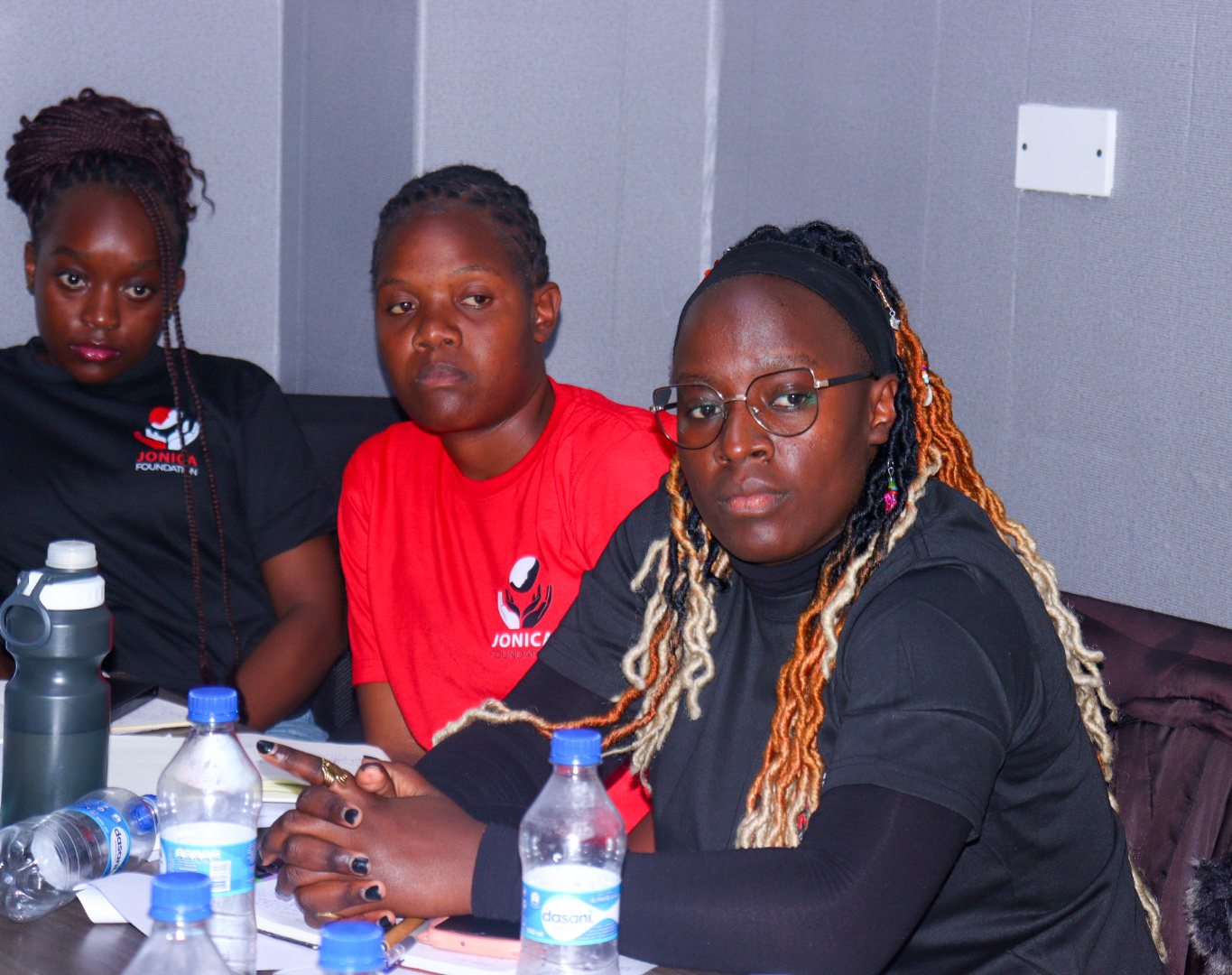
 Voice and advocacy
Every Voice Deserves to Be Heard
Sauti Ya Mama
Women's experiences and community priorities at the centre of public conversations.
Explore programme11 December 2026: Annual Wezesha Women Conference at KICC, Nairobi from 8:00 AM EAT Register interest
Health and wellbeing
Accessible reproductive and hormonal health information, community education and referral support.
My Body, My Health, My Voice
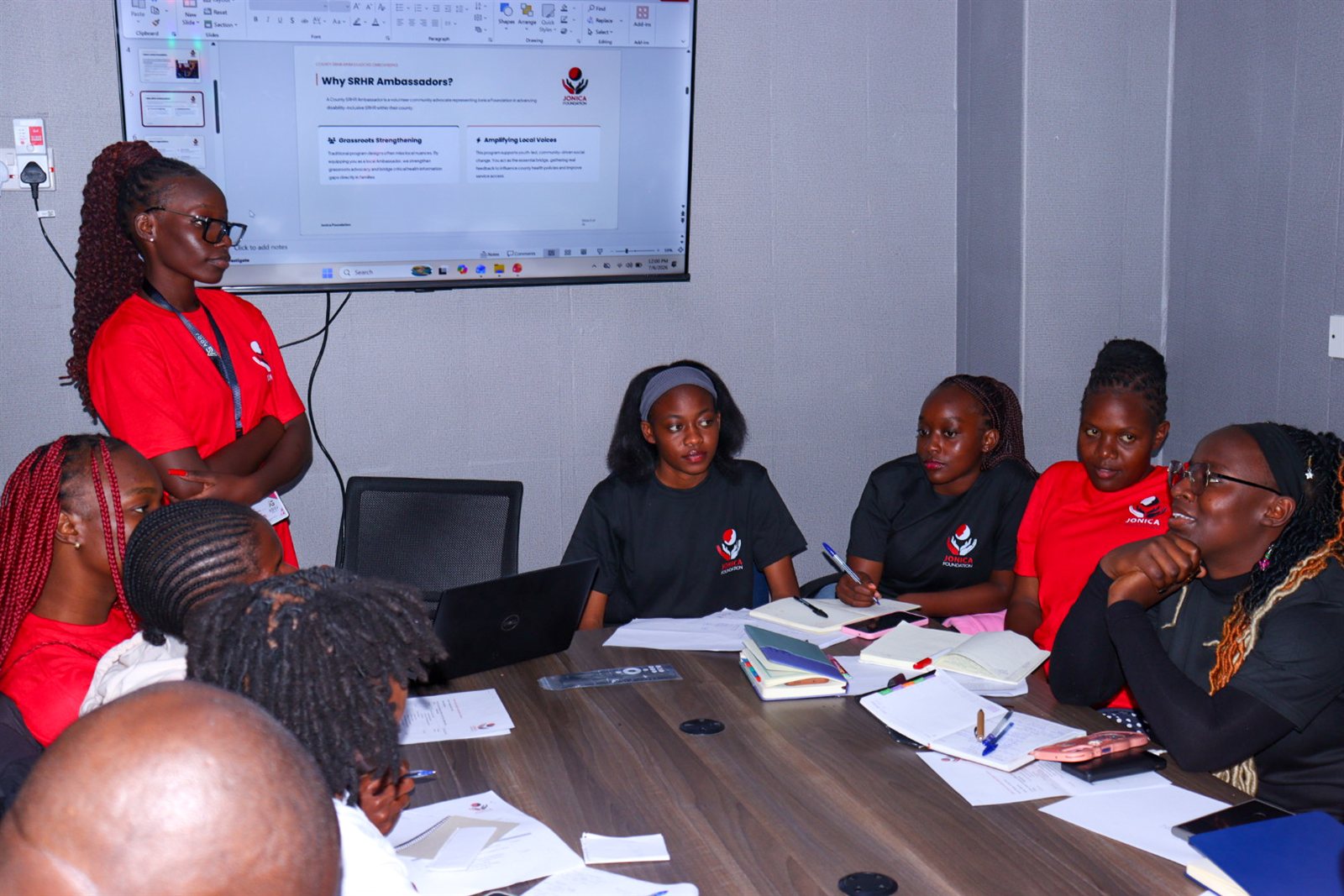
Mwili Wangu advances sexual, reproductive and menstrual health by helping women and girls understand their bodies and make informed decisions about their health. Through accessible information, community education and referral support, the programme addresses questions about menstruation, contraception and reproductive wellbeing, while connecting participants with appropriate sources of care. At its heart is bodily autonomy: the right of every woman and girl to make decisions about her own body, free from coercion, discrimination and violence.
Why this matters
Women and girls in Kenya continue to face barriers to accessing sexual, reproductive and menstrual health information and services. The 2022 Kenya Demographic and Health Survey found that 15% of adolescent girls and young women aged 15–19 had ever been pregnant. Among currently married women aged 15–49, 14% had an unmet need for family planning, highlighting gaps in support for those who wish to delay or prevent pregnancy. Financial and geographical barriers also affect access to care: 46% of women aged 15–49 reported obtaining money for treatment as a serious problem when seeking healthcare, while 24% identified distance to a health facility as a serious problem.
Long-term goal
Women and girls exercise bodily autonomy and access respectful sexual, reproductive, menstrual and hormonal healthcare.
Short-term goal
Reach 5,000 women, girls and young people across seven counties with sexual, reproductive, menstrual and hormonal health information, and support 3,000 women requesting referrals to identify appropriate services by 2031.
Enable women and girls to make informed decisions about their bodies and health through education, accessible communication, referral support and advocacy.
Highlights
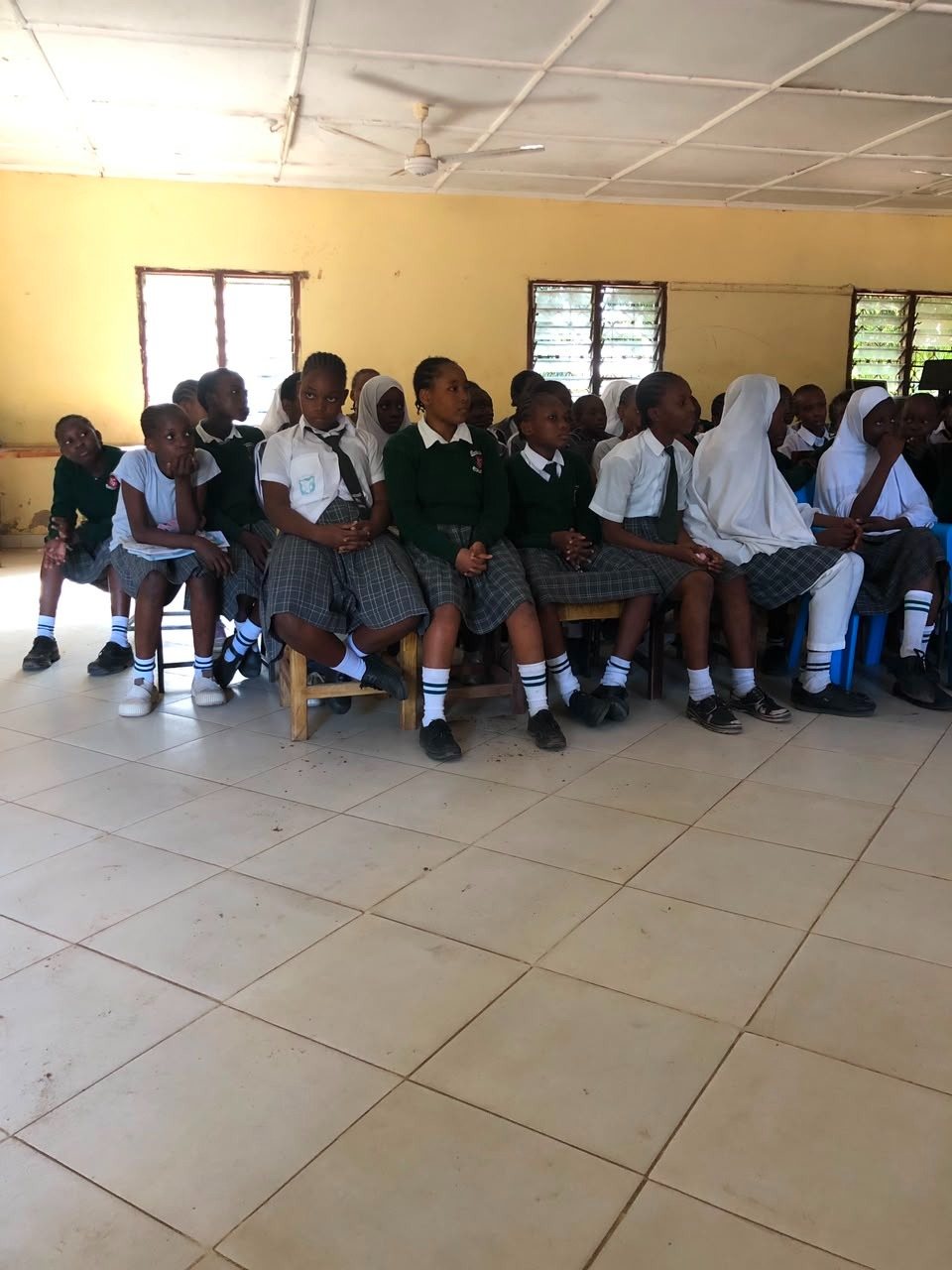
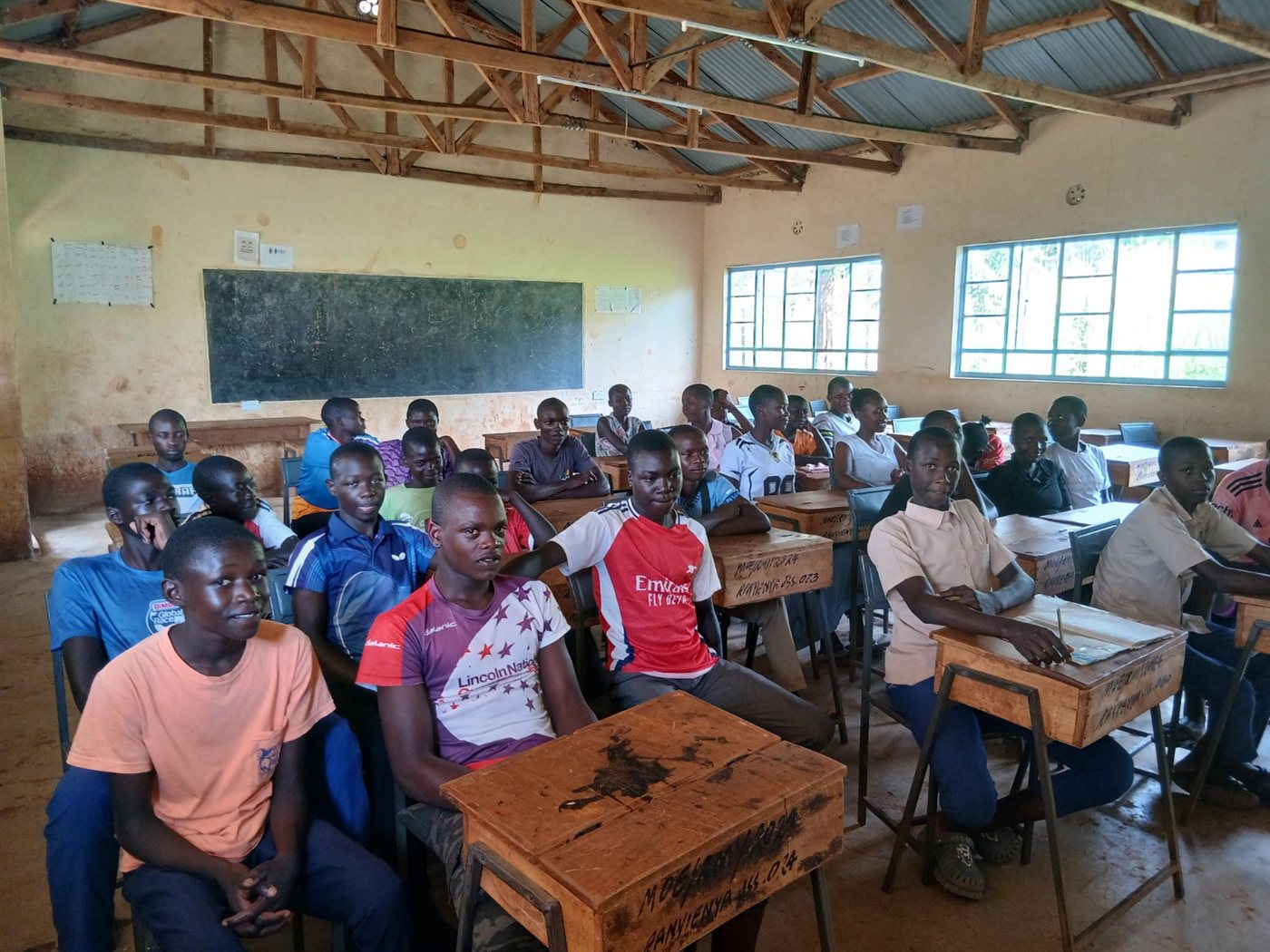
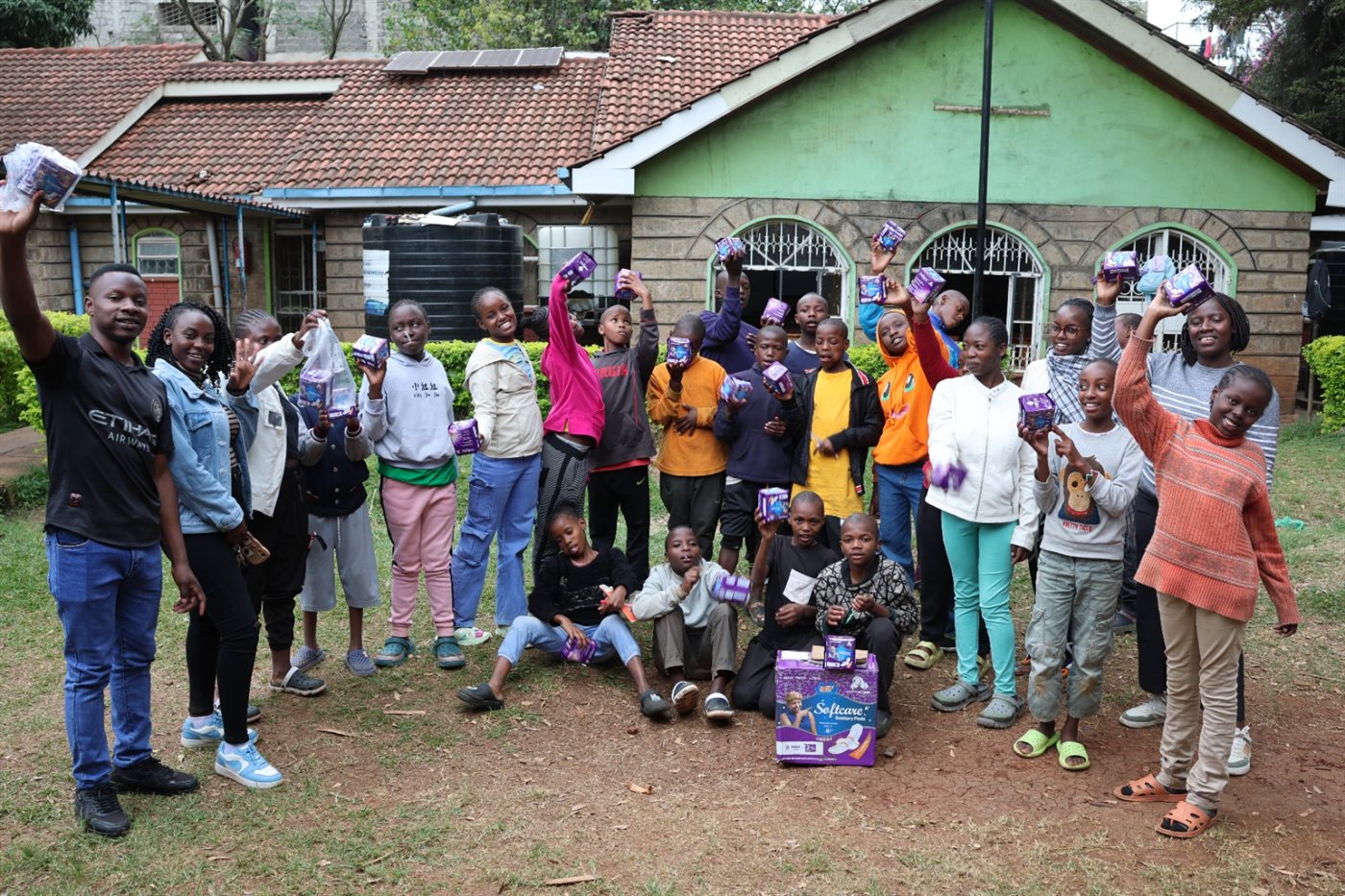
In practice
Keep exploring
Voice and advocacy
Every Voice Deserves to Be Heard
Women's experiences and community priorities at the centre of public conversations.
Explore programme Skills and livelihoods
Skills That Work
Learning, mentorship and opportunities for women and young people to earn a living.
Explore programme Community resilience
Responding with Care, Rebuilding with Dignity
Emergency assistance, safer shelter and partnerships that strengthen local support.
Explore programme